 listicle
Unique Glassware for Home Decor: 12 Finds to Love
Table of Contents
- Why Unique Glassware Elevates Your Home Decor
- Quick Comparison: Top Picks for Every Style
- Hand-Blown Glass Home Decor: Art You Can Use
- Modern Vases and Centerpieces That Steal the Show
- Statement Stemware and Barware for Entertaining
- How to Style Glassware on Open Shelving
- Unique Glassware Gift Ideas for Every Occasion
- Caring for Your Collection: Material and Maintenance
- Frequently Asked Questions
Last Updated: September 7, 2026
Why Unique Glassware Elevates Your Home Decor
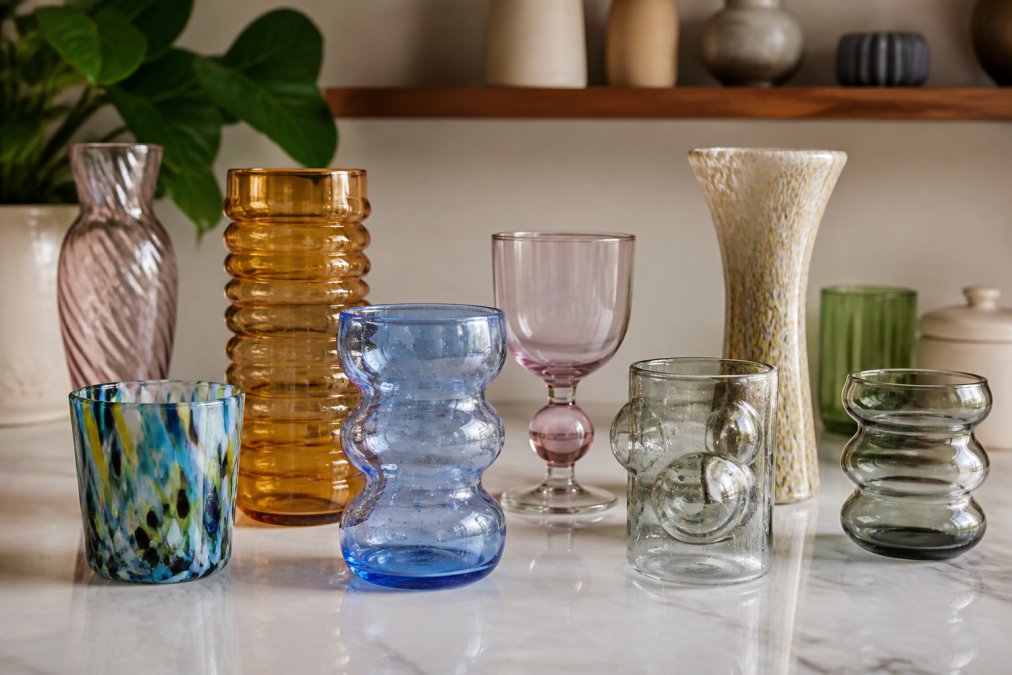
The fastest way to make a room feel personal isn't a new sofa or a coat of paint. It's the small objects you live with daily, and few items carry as much personality as the glassware you choose to display. When you buy unique glassware for home decor, you're adding sculptural light, color, and texture that changes with the sun and the seasons.
At Moore Graphics LLC, we offer unique glassware designed to bring comfort and personality to your everyday life. The right piece works double duty: it serves a drink at dinner and acts as a centerpiece on your shelf when empty.
Below, we'll show you which styles deliver the most visual impact, how to arrange them so they look intentional rather than cluttered, and which pieces make the best gifts. We'll also cover the practical side, like what "lead-free crystal" means and why some pieces need hand-washing.
Quick Comparison: Top Picks for Every Style
Not every piece of unique glassware fits every home. Before you browse, here's a snapshot of standout options and who they suit best.
| Glassware | Style Vibe | Best For | Care Level |
|---|---|---|---|
| East Fork Handblown | Organic, artisanal | Daily use with character | Dishwasher safe |
| Hawkins New York Stacking | Minimalist, modern | Small kitchens, apartments | Dishwasher safe |
| Libbey Paneled Coupe | Vintage-inspired | Cocktail enthusiasts | Hand-wash recommended |
| Blue Ringed Octopus Set | Novelty, playful | Themed decor, gifts | Hand-wash only |
| Pierrot Doremus | Chic, personality-driven | Hosting and home bars | Hand-wash recommended |
The common thread is that you can buy unique glassware for home decor that matches any aesthetic. The key is knowing what you're optimizing for: storage space, durability, or pure visual drama.
Hand-Blown Glass Home Decor: Art You Can Use
For a truly one-of-a-kind look, hand-blown glass home decor is the gold standard. Each piece carries slight variations in thickness, shape, and trapped air bubbles, meaning no two glasses are identical.
East Fork Handblown Glassware (starting around $14 per item) is a strong entry point. It's designed for everyday use, with a durable composition that survives the dishwasher. The organic silhouettes bring a handmade warmth to a table setting that factory-made glass can't match. The tradeoff is price: you'll pay more per glass, but you're paying for a piece with genuine character.
If you're drawn to the idea of supporting individual makers, marketplaces like Artful Home's artist glass collection connect you directly with creators who sign and date their work. This is the route for collectors who want sculptural pieces that double as conversation starters.
Modern Vases and Centerpieces That Steal the Show
A vase is the easiest place to start when you want to buy unique glassware for home decor, because it works whether it's empty or holding a bouquet.
For small spaces, the Hawkins New York Color Rim Stacking Glass (around $20 per item) solves a real problem. Its stackable design means you can store a full set in a fraction of the cabinet space, while the hand-applied colored rim adds a precise, modern accent. It reads minimalist without feeling cold, and the versatile size works for water, juice, or a casual cocktail.
For a maximalist tablescape, look for vases with texture and refraction. Cut-glass patterns and colored finishes catch light and throw subtle patterns across the table. A cluster of three different heights in complementary tones creates more visual interest than a single matching set.
Statement Stemware and Barware for Entertaining
When guests come over, the glassware you set out sets the tone. Statement stemware and barware turn a standard dinner party into an event, and they're one of the most reliable ways to buy unique glassware for home decor that also gets used.
The Libbey Paneled Coupe Cocktail Glasses (around $25 for a set of four) deliver vintage charm at an approachable price. The paneled texture creates light refraction that makes even a simple gin and tonic look sophisticated. The 8.5-ounce capacity suits classic cocktails, and the stemmed design keeps your drink cold while looking elegant. The one drawback: those stems require careful handling, so hand-washing is the safer bet.
For a more dramatic aesthetic, Pierrot Doremus (starting around $31 per item) offers personality-driven designs that photograph beautifully. These are the glasses that make guests ask where you got them. They skew niche, so they're best for hosts who want a specific vibe rather than a catch-all set. If you entertain often and want a curated bar that feels intentional, this is where to invest.
How to Style Glassware on Open Shelving
Styling glassware on open shelving is about rhythm and repetition, not just placing items randomly. The goal is a display that looks effortless but reads as deliberate. But there's a second problem most guides ignore: how do you store fragile, oddly shaped, or rarely used pieces in a small apartment where every square inch of cabinet space is precious? The answer is a hybrid approach that treats your shelves as both a display and a functional storage system.
The Display Rules That Actually Work
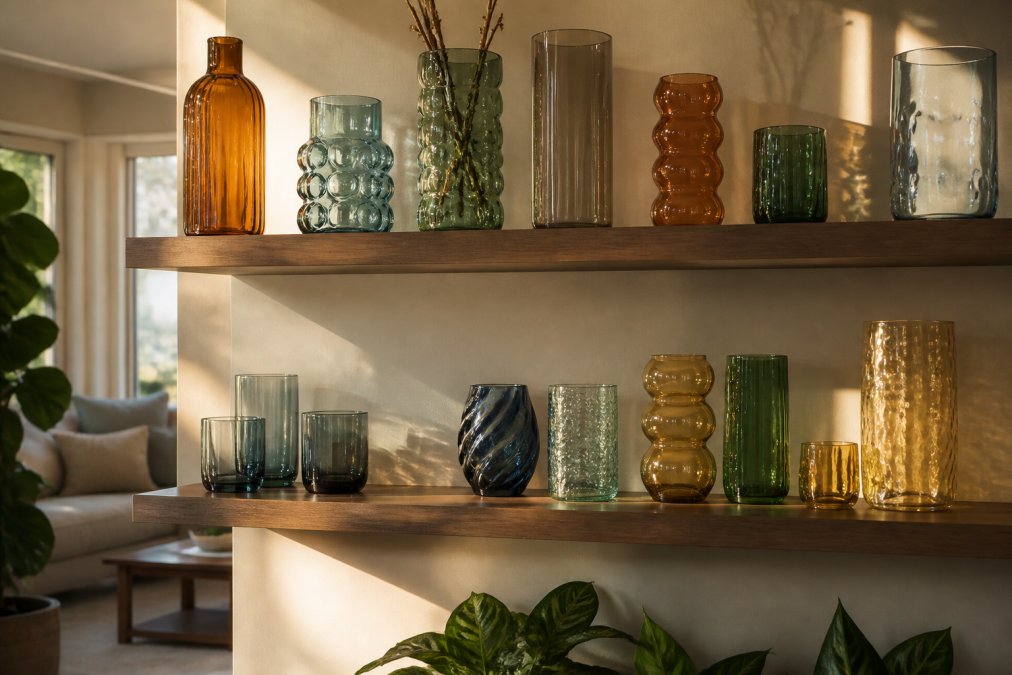
Start by grouping by color or material rather than spreading pieces evenly. A cluster of amber tumblers next to a clear, textured carafe creates a focal point. Vary the heights: tall highball glasses next to short coupes add visual interest. Leave negative space, a shelf crammed full looks like storage, not styling.
The Small-Space Storage Problem
Here's what the lifestyle blogs skip: unique glassware is often oddly shaped. A handblown vase with a flared lip doesn't stack. A set of coupes with delicate stems can't be nested without scratching. And if you live in a 600-square-foot apartment, you don't have a dedicated butler's pantry to hide these pieces. Your open shelving isn't just a design choice, it's your primary storage.
Solution 1: The Stacking System. For everyday pieces, prioritize glassware designed to stack. The Hawkins New York Color Rim Stacking Glass was engineered for this exact problem. Each glass nests inside the one below it, with the colored rim acting as a visual separator. A stack of five takes up the same footprint as a single glass. This turns a vertical column of color into a sculptural object that reads as intentional decor rather than a storage hack.
Solution 2: The Stemware Rack. For coupes and wine glasses, a hanging stemware rack mounted under a shelf or above a bar cart frees up an entire shelf layer. Look for a rack with rubber-coated tines, bare metal will scratch crystal stems. This keeps delicate pieces accessible without risking breakage. If you're renting and can't drill, a countertop stemware stand works nearly as well.
Solution 3: The Felt-Lined Tray. For pieces you use less than once a month, the octopus novelty set, the handblown art glass, store them in a shallow, felt-lined tray on the top shelf. The felt prevents scratching, and the tray corrals pieces so they don't get knocked over when you reach for something else. This is the "out of sight but not forgotten" approach: the tray itself can be a decorative element, and the pieces inside stay protected.
Solution 4: The Vertical Carousel. For narrow shelves, a lazy Susan or carousel designed for barware lets you store twice as many pieces in the same footprint. Spin it to access the glass in the back without moving everything in front. This works especially well for tumblers and rocks glasses that don't have stems to snag.
The Lighting Trick That Makes Storage Look Like Styling
The difference between "stored glassware" and "styled glassware" often comes down to light. Glass is transparent, it only reads as a design element when light passes through it or reflects off its edges. If your open shelving is in a dim corner, your collection will look like clutter no matter how carefully you arrange it.
A simple LED strip mounted under the shelf above your glassware does more than any arrangement change. Position it to shine down at a 45-degree angle across the front of the glasses. This catches the rims and creates highlights on textured or cut-glass patterns. For colored pieces, a warm-white LED (2700K) enhances amber and gold tones, while a neutral-white (4000K) makes blues and greens pop. Avoid cool-white (5000K+), it makes glass look flat and clinical.
If you have a mirrored backing on your shelf, angle the light slightly upward to create reflections that double the visual depth. This trick makes a narrow shelf look twice as wide and turns a single row of glasses into a layered composition.
The Rotation Rule for Small Spaces
In a small space, you can't display everything at once. The rotation rule solves this: keep 70% of your collection accessible on open shelves, and store 30% in a closed cabinet or felt-lined box. Every season, rotate the stored pieces in and the displayed pieces out. This keeps your shelves feeling fresh, protects fragile pieces from constant dust and handling, and ensures every piece in your collection gets used rather than becoming a permanent dust collector.
This approach to styling glassware on open shelving transforms a storage area into a design feature, and it works whether you have a 12-foot wall of built-ins or a single floating shelf above your kitchen sink.
Unique Glassware Gift Ideas for Every Occasion
Finding a gift that feels personal without requiring you to know someone's exact taste is a challenge. Unique glassware gift ideas solve this because they're useful, decorative, and show you put thought into the selection.
For a housewarming, a handblown pitcher or a set of artisan tumblers works for nearly anyone. For a wedding, consider a set of vintage-inspired coupes for the couple's home bar. For a playful friend, the Blue Ringed Octopus Glassware Set (8 pieces, price varies by seller) is a guaranteed conversation starter. The intricate 3D ocean art embedded in the glass makes it a novelty piece, but it's substantial enough to feel like a real gift, not a gag.
The key to a thoughtful glassware gift is matching the recipient's lifestyle. A busy parent might appreciate dishwasher-safe stacking glasses over delicate hand-wash-only stemware. A cocktail hobbyist will love a distinctive coupe. If you're shopping for someone who values sustainable, artisan-made goods, a handblown piece from a marketplace that supports independent artists carries extra meaning. When you buy unique glassware for home decor as a gift, you're giving an object that will be used and seen daily, a constant reminder of the person who chose it.
Caring for Your Collection: Material and Maintenance
Most glassware guides stop at "hand-wash the fancy stuff." That advice misses the real story: the material your glass is made of determines not just its lifespan, but its clarity, weight, thermal resistance, and even its environmental footprint. Understanding the science behind the glass is the single best way to avoid buying a piece that clouds, cracks, or shatters in your cabinet.
The Three Main Glass Families
Soda-lime glass is what 90% of everyday drinkware is made from. It's a blend of silica (sand), soda ash, and limestone, melted at relatively low temperatures. It's cheap to produce and perfectly fine for casual tumblers and juice glasses. The trade-off: it's prone to thermal shock (cracking when hot liquid hits cold glass) and it contains sodium ions that leach to the surface in a dishwasher, reacting with minerals to form that white, cloudy film you see on old bar glasses. If a piece is dishwasher-safe and costs under $10, it's almost certainly soda-lime.
Borosilicate glass swaps some of the soda for boron trioxide. This changes the molecular structure so the glass expands and contracts far less with temperature changes. That's why laboratory beakers and high-end pour-over coffee servers use it. Brands like Pyrex (the clear measuring cups, not the opal bakeware) rely on it. For home decor glassware, borosilicate is rare but prized for pieces that move from fridge to table or handle hot beverages. It's lighter and more resistant to clouding, but it's also more expensive to manufacture, so you'll pay a premium.
Leaded crystal and lead-free crystal are where the confusion really starts. Traditional leaded crystal contains 24-32% lead oxide, which makes the glass softer, heavier, and more refractive, that's the "ring" you hear when you flick a fine wine glass (britannica.com). The lead is locked into the glass matrix, so it doesn't leach into beverages at room temperature, but many manufacturers have moved to lead-free formulas using barium oxide or zinc oxide to achieve the same brilliance without any consumer concern. When a label says "lead-free crystal," it's not a downgrade; it's a modern reformulation that delivers comparable sparkle with a lower environmental and health profile.
What the Material Means for Your Routine
Here's where the science gets practical. Soda-lime glass will cloud if you run it through a dishwasher cycle with hard water and high heat. The fix isn't a special rinse aid, it's choosing borosilicate or hand-washing. Crystal, whether leaded or lead-free, is softer than soda-lime, which means it scratches more easily. Nesting crystal glasses without a felt liner is a recipe for micro-abrasions that dull the surface over time.
Colored and patterned glassware adds another variable. The colored rims on pieces like the Hawkins New York stacking glasses are applied as a separate layer of enamel or glass frit. In a dishwasher, the combination of heat, alkaline detergents, and water pressure can erode that layer, leaving a faded, patchy rim. The 3D art embedded in novelty pieces like the Blue Ringed Octopus set is even more vulnerable, the internal layers can delaminate or craze under thermal stress.
The Eco-Impact Angle Most Guides Ignore
Material choice also drives sustainability. Soda-lime glass is infinitely recyclable, but only if it actually enters a recycling stream, and colored or treated glass often gets sorted out because it contaminates clear glass batches. Borosilicate glass is technically recyclable but rarely accepted by curbside programs because it melts at a different temperature (the EPA). Crystal, due to its lead or barium content, is almost never recyclable and typically ends up in landfills.
If you're a conscious consumer, look for glassware made from recycled glass content or from manufacturers that use carbon-neutral melting furnaces. A growing number of artisan studios in the Pacific Northwest and Northeast are adopting electric furnaces powered by renewable energy, and some larger producers now advertise post-consumer recycled content on their packaging. The trade-off: recycled glass can contain impurities that create tiny bubbles or slight color variations, which, for unique decor pieces, often adds to the charm rather than detracting from it.
A Practical Care Cheat Sheet
| Material | Dishwasher Safe? | Thermal Shock Risk | Clouding Risk | Best Use |
|---|---|---|---|---|
| Soda-lime (plain, clear) | Yes, top rack | High | Medium | Everyday tumblers, juice glasses |
| Soda-lime (colored/patterned) | No | High | High | Display pieces, occasional use |
| Borosilicate | Yes | Very Low | Low | Hot beverages, fridge-to-table |
| Lead-free crystal | No | Medium | Low | Stemware, special occasions |
| Traditional leaded crystal | No | Medium | Low | Heirloom pieces, formal dining |
For any piece with a decorative element, a colored finish, or a stem, hand-washing is the safer bet. Use warm water and a drop of mild dish soap, then dry immediately with a lint-free cloth. Air drying leaves mineral spots that dull the finish over time. When storing, avoid nesting glasses without a liner, the bases can scratch the bowls. Use felt pads between stacked pieces if you're short on space. With the right care, a quality piece of unique glassware can last for decades, becoming a staple of your tablescape for years of dinner parties and quiet evenings alike.
Frequently Asked Questions
What glassware is trending for home decor in 2026?
Organic, hand-blown shapes with subtle imperfections and textured surfaces are leading the trend. Look for pieces in earthy tones like sage, amber, and smoke, or bold jewel tones for a maximalist look. Vintage-inspired coupe glasses and sculptural vases also remain popular. The key is choosing pieces that feel personal and add character to your shelves or tablescape, rather than sticking to uniform, mass-produced sets.
How do I choose unique glassware that fits my interior design style?
Start by identifying your dominant decor theme. For minimalist spaces, choose clear, geometric pieces with clean lines. In a maximalist or bohemian room, look for colorful, textured, or sculptural glassware. If your style is traditional, vintage-inspired cut glass or paneled designs work well. The goal is to find pieces that complement, not match, your existing decor, treating each glass as a small piece of functional art.
What is the difference between hand-blown and machine-made glassware?
Hand-blown glass is shaped by an artisan, which means each piece has subtle variations in thickness, shape, and tiny bubbles. This gives it an organic, one-of-a-kind character. Machine-made glassware is uniform and consistent, which makes it more affordable and easier to replace. For home decor, hand-blown pieces act as conversation starters and add a layer of artistry that mass-produced items lack.
What are the best unique glassware gift ideas for housewarmings?
A sculptural hand-blown vase or a set of artisan coupe glasses make memorable gifts. For a more personal touch, look for a unique glassware piece that matches the recipient's hobbies, like a novelty ocean-themed set for a beach lover. Consider pairing a single statement glass with a bottle of their favorite drink. This approach feels thoughtful and avoids the generic look of standard gift sets.