 how-to
Choosing Durable Everyday Apparel for Comfort
Table of Contents
- Understanding What Makes Apparel Durable and Comfortable
- Best Fabrics for Long-Lasting Clothing
- How to Identify High Quality Garments
- How to Build a Capsule Wardrobe That Lasts
- Caring for Your Clothes to Extend Lifespan
- Choosing Apparel for All-Day Wear and Climate
- Frequently Asked Questions
Last Updated: August 30, 2026
Understanding What Makes Apparel Durable and Comfortable
Choosing durable everyday apparel for comfort starts with understanding the relationship between fabric quality, construction, and how garments perform under real-world conditions. Many people assume that durability and comfort are separate concerns, but they're deeply interconnected. A shirt that feels soft initially but pills after three washes isn't truly comfortable, it's just temporarily pleasant. Real comfort means wearing something that maintains its integrity, shape, and feel over months of regular use.
Durability in apparel comes down to three core elements: the fibers themselves, how they're woven or knitted together, and how the garment is constructed. Each of these factors influences how long your clothes will last and how they'll feel against your skin. When you understand these mechanics, you can spot quality pieces instantly instead of relying on brand names or price tags.
The challenge most people face is that durability markers aren't always obvious at first glance. A garment might look well-made but use low-quality thread. It might feel luxurious in the store but lose shape after five washes. This guide breaks down the specific indicators that separate clothes built to last from those destined for the donation pile.
Best Fabrics for Long-Lasting Clothing
Natural Fibers vs. Synthetic Blends
The fiber content of your clothing determines its foundation. Natural fibers like cotton, wool, and linen have been proven performers over centuries, while synthetic fibers offer different benefits depending on the type and blend.
Organic cotton stands out for durability when grown and processed without harsh chemicals. It breathes well, handles repeated washing, and actually improves with age, quality cotton t-shirts become softer and more comfortable over time. The catch: pure cotton can shrink and wrinkle unless properly cared for. Merino wool offers exceptional durability, natural temperature regulation, and resistance to odors and wrinkles. It's more expensive than cotton but lasts significantly longer in daily rotation.
Synthetic blends enter the picture when durability needs specific performance traits. A cotton-polyester blend might include 20-30% polyester to reduce wrinkles and shrinkage while maintaining breathability. Bamboo viscose creates soft, breathable fabric with good strength, though it requires more careful washing than cotton. The sustainability question matters here, while bamboo grows quickly, the processing chemicals can be harsh.
The real insight most guides miss: fiber content alone doesn't determine durability. A 100% cotton garment made with weak thread and loose stitching will fall apart faster than a 65% cotton-35% polyester blend with proper construction. The fiber is the starting material, but execution determines longevity.
Fabric Weight and Breathability
Fabric weight, measured in grams per square meter (GSM), directly correlates with durability. Lightweight fabrics (under 150 GSM) like t-shirt jersey feel comfortable but wear thin faster. Mid-weight fabrics (150-250 GSM) balance comfort and durability, this range includes most quality everyday apparel (peer-reviewed research). Heavyweight fabrics (250+ GSM) like sweatshirt fleece or denim last longer but can feel restrictive for all-day wear.
Breathability matters equally for comfort during extended wear. Moisture-wicking fabrics pull sweat away from your skin, keeping you dry and comfortable throughout the day. This property comes from both fiber choice and fabric structure. Tightly woven fabrics trap moisture; looser weaves allow air circulation. The sweet spot for all-day apparel is a mid-weight fabric with enough structure to hold shape but enough breathability to manage moisture.
A common mistake is choosing ultra-lightweight fabrics for summer comfort, only to find they pill, fade, and lose shape within a season. Mid-weight natural fiber blends typically outlast lighter alternatives by 2-3 years with comparable comfort (peer-reviewed research).
How to Identify High Quality Garments
Examining Seam Construction and Stitch Density
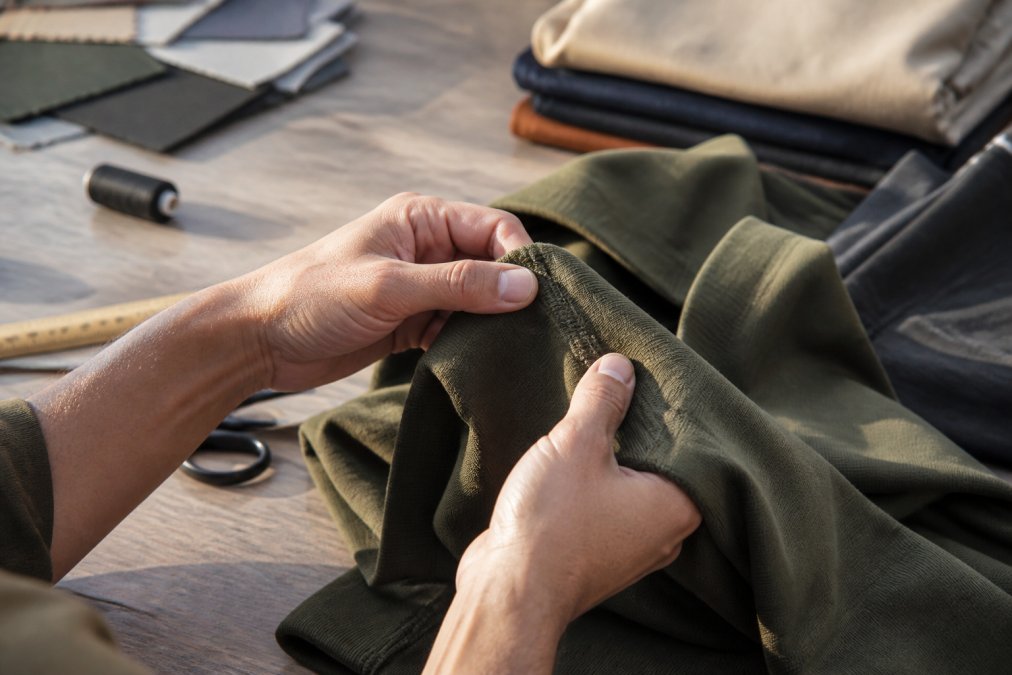
The seams are where garments fail first. A well-constructed seam uses tight, even stitching with high stitch density, typically 12-16 stitches per inch for quality apparel (the American Academy of Dermatology). Run your finger along the seams: they should feel smooth, with no loose threads or gaps. Loose, irregular stitching is an immediate red flag.
Seam type matters as much as stitch quality. A single-stitched seam (one line of thread) is weakest and prone to unraveling. French seams, where fabric edges are folded and stitched twice, last significantly longer. Flat-fell seams, common in denim and workwear, distribute stress evenly and resist tearing. Quality everyday apparel uses at least double-stitched seams at stress points like armholes, necklines, and waistbands.
Examine the thread color too. Thread that matches the fabric indicates intentional construction; mismatched thread suggests cost-cutting. The thread itself should be strong, synthetic thread lasts longer than weak cotton thread, which is why quality garments often use polyester thread even on natural fiber fabrics.
Signs of Poor Quality to Avoid
Poor quality reveals itself through several consistent markers. Pilling happens when weak fibers break and ball up on the surface; it's especially common in low-quality cotton blends. If a garment pills noticeably after one wear, the fiber integrity is already compromised.
Check for color bleeding and fading. Dip a corner in warm water and rub it on white fabric. If dye transfers, the garment will fade and potentially stain other clothes. Quality apparel uses colorfast dyes that bond permanently to fibers.
Shape retention separates durable apparel from disposable fashion. After washing, does the neckline stay structured or does it stretch out? Do the cuffs hold their shape or go limp? Garments made with low-quality elastic or weak fibers lose shape after a few washes. Quality apparel maintains its form through multiple wash cycles.
Look at hems and edges. Rolled hems with tight stitching last longer than flat-stitched hems that fray. Finished seams with binding or tape prevent unraveling. These details take extra time and cost more, which is why they're often skipped on budget apparel.
How to Build a Capsule Wardrobe That Lasts
A capsule wardrobe, a small collection of versatile, high-quality pieces, is the most sustainable approach to everyday durable apparel. Instead of buying many cheap items, you invest in fewer pieces that work together and last years.
Start with neutral base colors: black, white, navy, gray, and beige. These pieces combine endlessly. Add 2-3 accent colors that complement your skin tone. Quality basics in these colors form the foundation: well-fitting jeans, plain t-shirts, simple sweaters, and neutral button-ups.
The rule of thumb is 30-40 wearable items that create 50+ outfit combinations. This forces intentional purchasing, you only add pieces that coordinate with what you already own. This approach naturally pushes toward quality over quantity because each piece needs to earn its place through versatility and durability.
Calculating Cost-Per-Wear for Better Value
Cost-per-wear flips the price conversation. A $80 sweater worn twice a week for two years equals about $0.77 per wear. A $25 sweater worn once and then discarded equals $25 per wear. This metric reveals true value.
To calculate: divide the purchase price by the number of times you'll realistically wear the item. A work blazer worn 2-3 times weekly for three years (roughly 300-400 wears) at $150 costs $0.38-$0.50 per wear. A trendy piece worn 10 times before going out of style costs $2.50-$5 per wear.
Quality apparel typically has lower cost-per-wear because you wear it longer. Budget apparel might cost less upfront but deteriorates faster, raising the per-wear cost. This framework helps justify spending more on durable everyday apparel when the math shows it's actually cheaper over time.
Caring for Your Clothes to Extend Lifespan
Washing and Storage Best Practices
How you wash clothes matters as much as how they're made. Cold water preserves color and reduces stress on fibers. Hot water opens fiber structure, allowing dyes to leach and fibers to weaken. Turn garments inside out before washing to reduce pilling and fading on the visible surface.
Use gentle cycles for everyday items. Heavy-duty cycles are meant for heavily soiled workwear, not regular clothing. Overloading the washing machine creates friction that damages fibers; fill the drum about three-quarters full. Detergent amount matters too, more detergent doesn't clean better and leaves residue that breaks down fibers over time.
Air drying extends garment life dramatically compared to machine drying. The heat and tumbling in dryers weakens fibers, causes shrinkage, and fades colors. Hang delicate items or lay them flat. For items that need the dryer, use low heat and remove them promptly to prevent wrinkles.
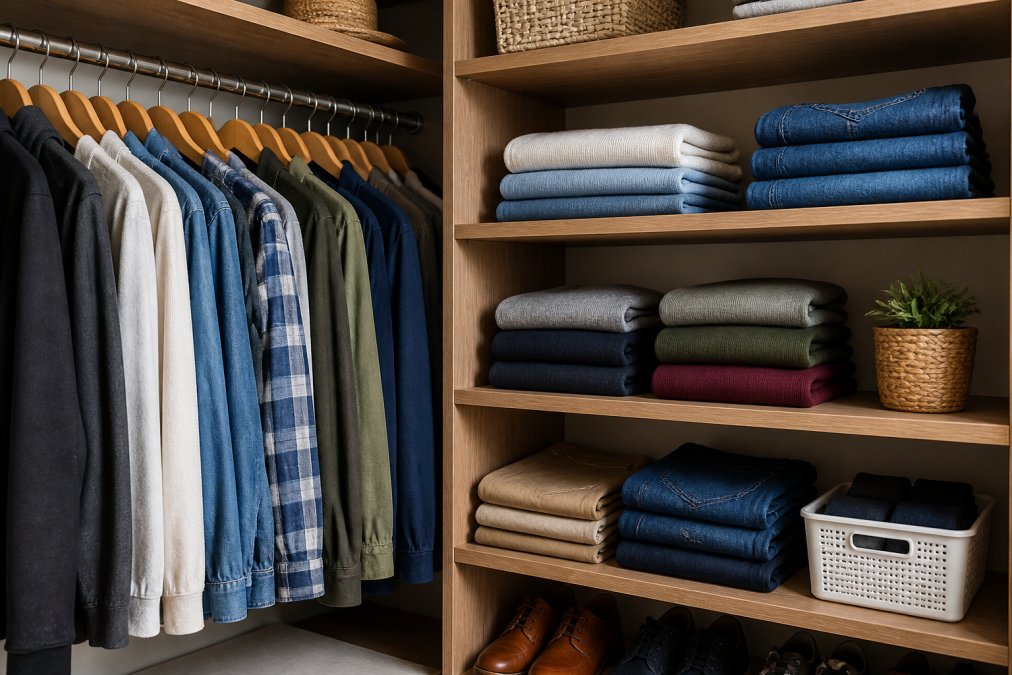
Storage location affects durability. Cool, dry spaces prevent mildew and moisture damage. Wooden hangers are gentler on shoulders than wire hangers, which create creases and stretch fabric. For knits, folding prevents hanger marks and stretching. Cedar blocks and lavender sachets naturally repel moths without harsh chemicals that can damage fibers.
Simple Repairs to Prevent Replacement
Small repairs prevent small problems from becoming reasons to discard clothes. A loose button takes two minutes to secure; ignoring it means losing the button and eventually the garment. Loose seams can be re-stitched before they unravel completely.
Pilling can be managed with a fabric shaver or even a gentle sweeping motion with a fine-tooth comb. This removes surface pills without damaging the underlying fabric. Holes and tears are fixable depending on location and size. A small hole in an inconspicuous spot can be hand-darned or patched. Larger tears in visible areas might need professional repair or creative upcycling.
Zippers fail regularly but are easily replaced. A broken zipper doesn't mean the garment is done, a tailor can install a new one for $15-30, extending the life of a quality jacket or pair of pants by years. This repair cost is worth it for durable everyday apparel you actually love wearing.
Choosing Apparel for All-Day Wear and Climate
All-day comfort requires apparel that performs across temperature changes and activity levels. Your body temperature fluctuates throughout the day; clothing needs to adapt. Layering is the solution, start with a moisture-wicking base, add an insulating mid-layer, and top with a breathable outer layer you can remove as needed.
Fabric choice shifts by climate. Hot, humid environments demand lightweight, breathable natural fibers like cotton or linen with good moisture-wicking. The fabric should be loose enough to allow air circulation without being so loose it looks sloppy. Cold climates require insulation; wool provides warmth even when damp, making it ideal for variable conditions. Merino wool blends offer the best balance of warmth, breathability, and durability for transitional seasons.
Fit determines whether apparel is comfortable for eight hours of wear. Too tight restricts movement and creates pressure points; too loose bunches and shifts uncomfortably. Seams should align with your natural body lines. Sleeves should allow full arm movement without excess fabric. Waistbands should sit comfortably without digging in or slipping.
Fabric stretch matters for all-day apparel. A small percentage of elastane (2-5%) in cotton blends provides recovery and comfort without compromising durability. Garments with proper stretch maintain shape better and feel more comfortable during extended wear. However, too much stretch (over 10%) often indicates lower-quality fibers that won't last as long.
Seasonal rotation extends the life of your wardrobe. Storing winter clothes during summer prevents unnecessary wear and allows proper storage. This also creates natural breaks where you can inspect items for needed repairs before the next season.
Building a wardrobe of durable everyday apparel is an investment in comfort and sustainability. Quality pieces cost more initially but deliver value through years of reliable wear. Moore Graphics LLC's curated collection of apparel and lifestyle goods emphasizes this philosophy, selecting pieces designed for real-world durability and everyday comfort rather than chasing fast-fashion trends. When you understand fabric quality, construction details, and proper care, you can confidently choose pieces that feel good and last. Start with the fundamentals: prioritize mid-weight natural fibers or quality blends, examine seams and stitching closely, and build a capsule wardrobe of versatile basics. These choices transform how you approach clothing, from disposable purchases to investments in pieces you'll actually wear for years.
=== FAQ ANSWERS (audit these too, same rules) ===
[1] Q: What is the most comfortable material to wear daily? A: The best daily-wear fabrics depend on your climate and activity level. Natural fibers like organic cotton, bamboo viscose, and merino wool offer breathability and moisture-wicking properties that keep you comfortable throughout the day. Cotton blends with a small percentage of synthetic fibers (5-20%) add stretch recovery and durability without sacrificing comfort. Look for fabrics with good thermal regulation to adapt to temperature changes.
[2] Q: How can you tell if a garment is high quality? A: Examine seam construction first: quality seams are straight, tightly stitched, and reinforced at stress points like underarms and crotches. Check stitch density (higher is better) and ensure fabric weight feels substantial. Look for colorfastness by checking if dyes bleed when wet. Run your hands over the fabric to feel for pilling resistance. High-quality garments also have finished hems, secure buttons, and no loose threads.
[3] Q: Which fabrics are best for long-term durability? A: Durable fabrics combine natural strength with proper construction. Denim, canvas, and heavyweight cotton (over 300 GSM) resist wear and tear. Merino wool offers natural pilling resistance and shape retention. Synthetic blends with polyester or nylon improve tensile strength and stretch recovery, making garments last longer. Organic cotton paired with small amounts of elastane creates durability without compromising breathability or comfort.
[4] Q: What is the 3-3-3 rule for clothes? A: The 3-3-3 rule is a capsule wardrobe strategy: choose 3 neutral colors as your base, add 3 secondary colors, and include 3 accent colors or patterns. This approach simplifies getting dressed, reduces decision fatigue, and maximizes outfit combinations from fewer pieces. When building your wardrobe this way, focus on high-quality basics that work across seasons, which improves wardrobe longevity and cost-per-wear value.
Frequently Asked Questions
What is the most comfortable material to wear daily?
The best daily-wear fabrics depend on your climate and activity level. Natural fibers like organic cotton, bamboo viscose, and merino wool offer breathability and moisture-wicking properties that keep you comfortable throughout the day. Cotton blends with a small percentage of synthetic fibers (5-20%) add stretch recovery and durability without sacrificing comfort. Look for fabrics with good thermal regulation to adapt to temperature changes.
How can you tell if a garment is high quality?
Examine seam construction first: quality seams are straight, tightly stitched, and reinforced at stress points like underarms and crotches. Check stitch density (higher is better) and ensure fabric weight feels substantial. Look for colorfastness by checking if dyes bleed when wet. Run your hands over the fabric to feel for pilling resistance. High-quality garments also have finished hems, secure buttons, and no loose threads.
Which fabrics are best for long-term durability?
Durable fabrics combine natural strength with proper construction. Denim, canvas, and heavyweight cotton (over 300 GSM) resist wear and tear. Merino wool offers natural pilling resistance and shape retention. Synthetic blends with polyester or nylon improve tensile strength and stretch recovery, making garments last longer. Organic cotton paired with small amounts of elastane creates durability without compromising breathability or comfort.
What is the 3-3-3 rule for clothes?
The 3-3-3 rule is a capsule wardrobe strategy: choose 3 neutral colors as your base, add 3 secondary colors, and include 3 accent colors or patterns. This approach simplifies getting dressed, reduces decision fatigue, and maximizes outfit combinations from fewer pieces. When building your wardrobe this way, focus on high-quality basics that work across seasons, which improves wardrobe longevity and cost-per-wear value.