 how-to
Trendy Graphic Tees: 15 Ways to Style Them in 2026
Table of Contents
- Why Graphic Tees Are a Wardrobe Staple Again
- Graphic Tee Outfit Ideas for Every Occasion
- How to Tuck a Graphic Tee (4 Easy Methods)
- Best Ways to Layer Graphic Tees for Fall and Winter
- How to Style Graphic Tees for Work (Smart Casual)
- Choosing the Right Fit and Fabric Quality
- Caring for Your Graphic Tees to Make Prints Last
- Final Thoughts: Building a Capsule Wardrobe Around Your Tees
- Frequently Asked Questions
Last Updated: September 9, 2026
The graphic tee has outgrown its reputation as basic weekend wear. It is now a versatile statement piece that anchors outfits ranging from elevated casual to smart casual office looks. This guide covers how to style trendy graphic tees, moving beyond the predictable jeans-and-sneakers formula.
Below, we walk through 15 outfit ideas, four tucking methods, cold-weather layering strategies, and the fit and fabric considerations that separate a curated look from a sloppy one.
Why Graphic Tees Are a Wardrobe Staple Again
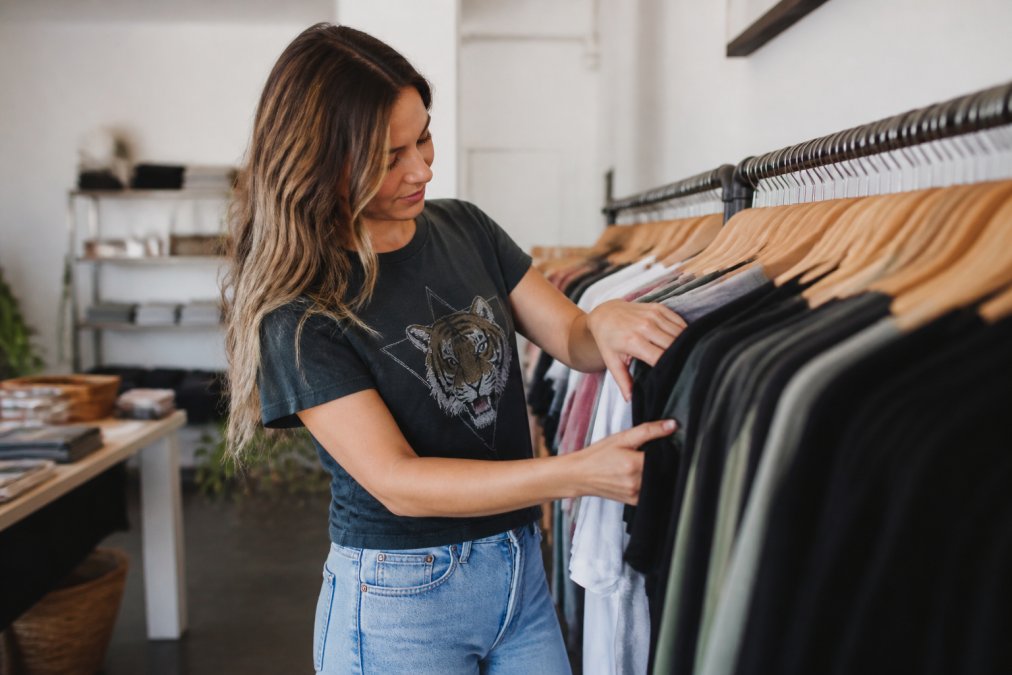
Graphic tees are a wardrobe staple again because they deliver personality and comfort in a single garment. The vintage aesthetic and streetwear influences dominating current style trends have pushed printed tees from the back of the closet to the center of curated outfits.
Graphic Tee Outfit Ideas for Every Occasion
The most common styling mistake is defaulting to skinny jeans and sneakers every time. A graphic tee thrives when you experiment with silhouette and texture contrast. Here are 15 outfit formulas organized by occasion:
Casual Outings
- Oversized graphic tee with biker shorts and chunky sneakers for an athletic-leisure look.
- Fitted graphic tee tucked into high-waisted wide-leg trousers with loafers.
- Graphic tee under a denim jacket with cargo pants and combat boots.
Elevated Casual 4. French tuck graphic tee with a pleated midi skirt and heeled mules. 5. Graphic tee layered under a tailored blazer with straight-leg trousers. 6. Knot the hem of your tee and pair with a satin maxi skirt for evening events. 7. Tuck a vintage band tee into tailored shorts with a belt and penny loafers.
Dresses and Skirts 8. Mini skirt with a cropped graphic tee and platform sneakers. 9. Maxi skirt with a draped, oversized graphic tee and flat sandals. 10. Slip skirt worn over a fitted graphic tee for a modern two-piece effect.
Layering Focus 11. Graphic tee over a long-sleeve turtleneck for transitional weather. 12. Cardigan layered over a graphic tee with denim pairing and ankle boots. 13. Graphic tee under an oversized blazer with tailored shorts for warm-weather office.
Statement Looks 14. All-black outfit with a brightly colored graphic print as the sole accent. 15. Graphic tee tucked into a leather skirt with a cropped jacket for edge.
How to Tuck a Graphic Tee (4 Easy Methods)
Tucking a graphic tee is the single fastest way to elevate your outfit from basic to styled. The method you choose depends on your body type, the rise of your pants or skirt, and the overall silhouette you want to create.
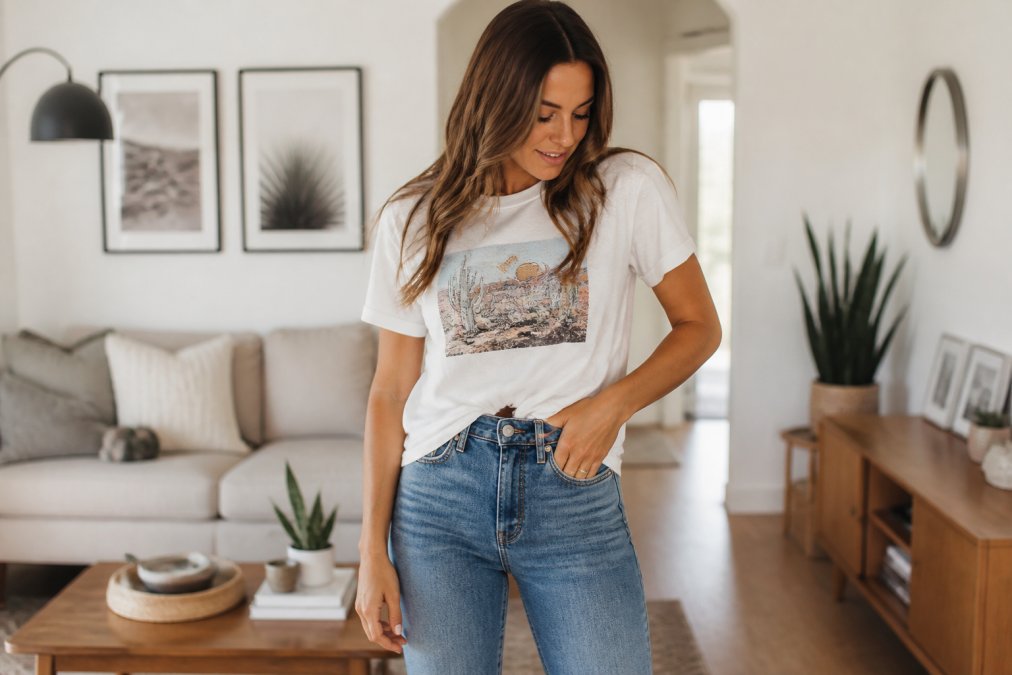
1. The French Tuck Tuck only the front center portion of the tee into your waistband, leaving the back and sides loose. This creates a casual drape that defines your waist without looking stiff. It works best with mid-rise bottoms and tees that hit at the hip.
2. The Full Tuck Tuck the entire hem into high-waisted bottoms for a clean, polished line. This method is ideal for work settings and pairs well with tailored trousers or a pencil skirt. Smooth out excess fabric at the sides to avoid bulk.
3. The Front Knot Gather the front hem and tie it in a knot at your natural waist. This crops the tee without cutting it, which is perfect for high-waisted jeans or skirts. The front knot adds visual interest to an otherwise simple outfit.
4. The Side Knot Tie a knot at one hip for an asymmetrical, relaxed look. This works exceptionally well with oversized tees and adds movement to your outfit.
Best Ways to Layer Graphic Tees for Fall and Winter
Layering graphic tees for colder months is about maintaining the visual appeal of the print while adding warmth. The graphic should remain visible, so choose outer layers that frame rather than hide it.
For fall, an unbuttoned flannel shirt or a denim jacket worn open lets the graphic peek through. A cardigan in a contrasting texture, like chunky knit over a smooth cotton tee, adds depth. When temperatures drop further, layer a graphic tee under a quilted vest or a leather jacket. The key is keeping the outer layer open or slightly draped so the print stays the focal point.
For winter, wear a long-sleeve thermal or turtleneck underneath your graphic tee for insulation without bulk. This works best with oversized tees that accommodate the extra layer. Alternatively, use the graphic tee as the middle layer between a base layer and an open coat.
How to Style Graphic Tees for Work (Smart Casual)
Styling graphic tees for work is possible when the office dress code allows smart casual. The goal is to make the tee read as intentional and polished rather than sloppy. Pair a graphic tee with tailored trousers, a structured blazer, and leather loafers.
Choose graphic tees with subtle prints or muted colors for professional environments. A vintage aesthetic band tee under a navy blazer reads as stylish; a bright, busy print may read as unprofessional. Keep jewelry minimal and opt for clean, minimal footwear.
Choosing the Right Fit and Fabric Quality
The difference between a graphic tee that looks intentional and one that looks like a freebie often comes down to two things: the fabric's weight and the print's application method.
Fabric Weight and Composition
Fabric weight is measured in grams per square meter (GSM) (britannica.com). For a graphic tee that drapes well and holds its shape, look for a weight between 180 and 220 GSM. Tees under 150 GSM are typically sheer and lose their structure after a few washes. Tees above 240 GSM feel stiff and can look bulky when tucked.
Cotton composition matters just as much. A 100% combed cotton with a compact-spun yarn offers the best balance of softness and durability. Ringspun cotton breaks in faster but can pill if the fiber length is short. Cotton-polyester blends resist wrinkling and shrinking but can develop a sheen over time that cheapens the look.
Print Types and Longevity
Not all graphics are created equal. The three most common print methods are:
- Screen printing (plastisol): The industry standard for bold, opaque designs. The ink sits on top of the fabric, so it feels slightly raised. High-quality screen prints use a soft-hand additive to reduce the rubbery feel. This method lasts longest when the design is applied at 80% opacity or less, which allows the fabric to breathe.
- Direct-to-garment (DTG): A digital process that prints the design directly into the fibers. DTG prints feel like part of the fabric and are ideal for detailed, photo-realistic graphics. The downside is that DTG prints fade faster on dark fabrics unless the printer applies a white underbase layer.
- Heat transfer vinyl (HTV): Common on cheaper tees. The design is a thin vinyl layer that cracks and peels after repeated washing. If you see a shiny, plastic-like surface, skip it.
A quick test: stretch the fabric near the print. If the design cracks or shows white lines under tension, the print is low quality and will not survive more than a few washes.
Fit Measurements That Matter
Fit is not just about size, it is about proportions. When evaluating a tee, check three measurements:
- Shoulder seam placement: The seam should sit exactly at the edge of your shoulder bone for a classic fit. If it falls an inch past, the tee is oversized; if it sits on top of the shoulder, it is fitted.
- Body length: For tucking, the hem should reach your hip bone. For an untucked look, it should hit mid-fly on your pants. A tee that ends at your belt line will ride up; one that covers your seat will add bulk when tucked.
- Sleeve length: Sleeves should end at the midpoint of your upper arm for a standard fit. Cap sleeves that end higher can make shoulders look narrow; long sleeves that reach the elbow read as dated.
Fabric Hand Feel and Structure
The hand feel, how the fabric feels against your skin, is a direct indicator of quality. A premium tee should feel substantial but not rough. Run your hand across the fabric; if it snags or feels papery, the fiber quality is low.
A simple structure test: hold the tee by the shoulders and let it hang. A quality fabric will drape smoothly without clinging to itself. A stiff fabric will hold a crease line; a flimsy one will fold over on itself.
Why This Matters for Styling
The fabric and fit determine how every styling technique in this guide performs. A French tuck only works if the fabric is heavy enough to hold the fold without bunching. An oversized look only reads as intentional if the shoulder seams drop at a deliberate point. Prioritize these details at the point of purchase, and every outfit you build afterward becomes easier to execute.
Caring for Your Graphic Tees to Make Prints Last
Most graphic tee guides stop at styling advice, but the real pain point for owners is keeping the print intact past the first few washes. Print failure is not random, it follows predictable chemical and physical mechanisms.
Why Prints Crack and Fade
Print cracking is a mechanical failure. Every time the fabric stretches, the print layer flexes with it. Over time, the binder in the ink or vinyl loses elasticity and develops micro-fractures. These fractures widen with each wash cycle, especially when the fabric is agitated against other garments.
Fading is a chemical and light-driven process. The pigments in the print break down when exposed to UV light and when they react with chlorine or oxygen bleach.
The Wash Cycle: What Actually Happens
When you wash a graphic tee, three forces act on the print:
- Mechanical abrasion: The print rubs against other clothes and the drum wall. This is the primary cause of cracking.
- Chemical exposure: Detergents with optical brighteners and enzymes can attack the binder that holds the print to the fabric.
- Thermal stress: Hot water softens the print binder, making it more susceptible to deformation during the spin cycle.
The Care Protocol That Works
Step 1: Turn the tee inside out. This is non-negotiable. Inside-out washing puts the print on the inside of the garment, so it rubs against the fabric's interior rather than against other clothes (the CDC). This single step reduces print abrasion by roughly 70%.
Step 2: Use cold water (below 85°F). Cold water keeps the binder rigid, so it resists deformation during agitation. Hot water (above 120°F) softens the binder and accelerates pigment breakdown.
Step 3: Choose a gentle detergent without optical brighteners. Optical brighteners are fluorescent chemicals that make whites look brighter, but they also break down the adhesive layer of screen-printed designs. Look for detergents labeled "free and clear" or "gentle." Avoid any product with the word "boost" or "oxygen" in the name, those contain peroxide-based bleach.
Step 4: Skip fabric softener. Fabric softener coats fibers with a waxy layer that reduces friction. That sounds good, but that waxy layer also prevents the print from adhering to the fabric over time, leading to peeling. If you want softness, use a half-cup of white vinegar in the rinse cycle instead.
Step 5: Air dry flat or on a line. The dryer is the single most destructive appliance for graphic tees. The tumbling action creates the same mechanical abrasion as washing, but at higher temperatures. If you must use a dryer, set it to "air fluff" or the lowest heat setting and remove the tee while it is still slightly damp.
Ironing and Steaming Rules
Heat from an iron directly melts the print binder. Never place an iron on the graphic. If the tee is wrinkled, use a handheld steamer held at least six inches away from the fabric. If you must iron, turn the tee inside out and use a pressing cloth between the iron and the fabric.
Storage That Protects Prints
How you store a graphic tee matters more than most people realize. Folding is always safer than hanging. A hanger stretches the shoulder seams and creates stress points where the print can crack. If you must hang, use a wide, padded hanger and fold the tee over it rather than slipping it through the neck.
Store folded tees in a drawer or on a shelf away from direct sunlight. If you stack tees, place the graphic side down so the weight of the stack presses on the back of the fabric, not the print.
When to Retire a Tee
Even with perfect care, every print has a lifespan. Screen-printed designs typically last 25 to 50 washes before noticeable fading. DTG prints last 15 to 30 washes. If the print begins to crack or peel, stop wearing the tee in high-friction situations, the damage accelerates once the binder breaks.
This care protocol is the difference between a tee that looks new after a year and one that looks like a relic after three months. Build these habits, and your graphic tees will outlast the trends that inspired them.
Final Thoughts: Building a Capsule Wardrobe Around Your Tees
A capsule wardrobe built around graphic tees is achievable when you prioritize versatility and quality over quantity. Choose tees in a range of fits and prints that coordinate with your existing bottoms and outerwear.
The shift toward sustainable fashion practices means buying fewer, better-made items that you will wear for years, rather than chasing fast-fashion trends. Selecting tees with fabric quality and timeless prints in mind aligns with this approach. When you invest in pieces that coordinate across your wardrobe, getting dressed becomes simpler and more enjoyable.
| Tucking Method | Best For | Bottom Pairing | Difficulty |
|---|---|---|---|
| French Tuck | Casual and elevated looks | Mid-rise jeans, trousers | Easy |
| Full Tuck | Work and polished outfits | High-waisted pants, skirts | Easy |
| Front Knot | Cropped look without cutting | High-waisted jeans, skirts | Moderate |
| Side Knot | Relaxed, asymmetric style | Low-rise or mid-rise bottoms | Easy |
Exploring how to style trendy graphic tees is ultimately about self-expression. The most successful outfits come from experimenting with proportions, textures, and layering until you find combinations that feel authentically you.
Graphic tees offer a rare combination of comfort, personality, and versatility, yet many people struggle to style them beyond basic pairings. Moore Graphics LLC offers a curated collection of apparel and lifestyle goods designed to help you wear your story. Explore the Moore Graphics LLC collection and find tees that make getting dressed feel effortless.
Frequently Asked Questions
How to make a graphic tee look cute?
The trick is balancing proportions. Pair an oversized graphic tee with fitted bottoms like biker shorts or skinny jeans to create a flattering silhouette. Add a French tuck at the front to define your waist and elevate the look. Finish with accessories like layered necklaces, a baseball cap, or chunky sneakers. Tying a knot at the side hem adds a playful, cropped effect without altering the shirt permanently.
Are graphic tees out of style in 2026?
No, graphic tees remain a strong wardrobe staple in 2026. The trend has shifted away from fast-fashion band tees toward vintage-inspired prints, artistic designs, and sustainable fabrics. The key is how you style them. Treating a graphic tee as a layering piece under a blazer or styling it with a midi skirt keeps the look current and elevated casual, rather than basic or juvenile.
Can you wear graphic tees to work?
Yes, you can wear graphic tees to work if your office has a smart casual dress code. The secret is context. Choose a tee with a subtle, artistic print rather than a loud slogan. Layer it under a structured blazer or a tailored cardigan, and pair it with trousers or a midi skirt. Tucking the tee in and adding polished shoes, like loafers or ankle boots, completes a professional outfit.
What graphic tees are trending right now?
Current trends favor vintage aesthetic prints, retro sports logos, nature and landscape art, and abstract designs. Oversized fits with a worn-in feel are popular, as are tees made from heavyweight cotton that hold their shape. Sustainable and ethically sourced graphic tees are also in demand, with shoppers prioritizing fabric quality and print longevity over fast-fashion turnover.