 how-to
Styling Unique Hats With Outfits: A 2026 How-To Guide
Table of Contents
- Start With the Hat, Then Build the Outfit
- The Best Hat Styles for Different Face Shapes
- How to Wear Hats With Different Hairstyles
- Hat and Outfit Color Coordination That Actually Works
- Outfit Formulas for Styling Unique Hats, by Season
- Common Mistakes When Styling Unique Hats
- Frequently Asked Questions
Last Updated: September 15, 2026
Start With the Hat, Then Build the Outfit
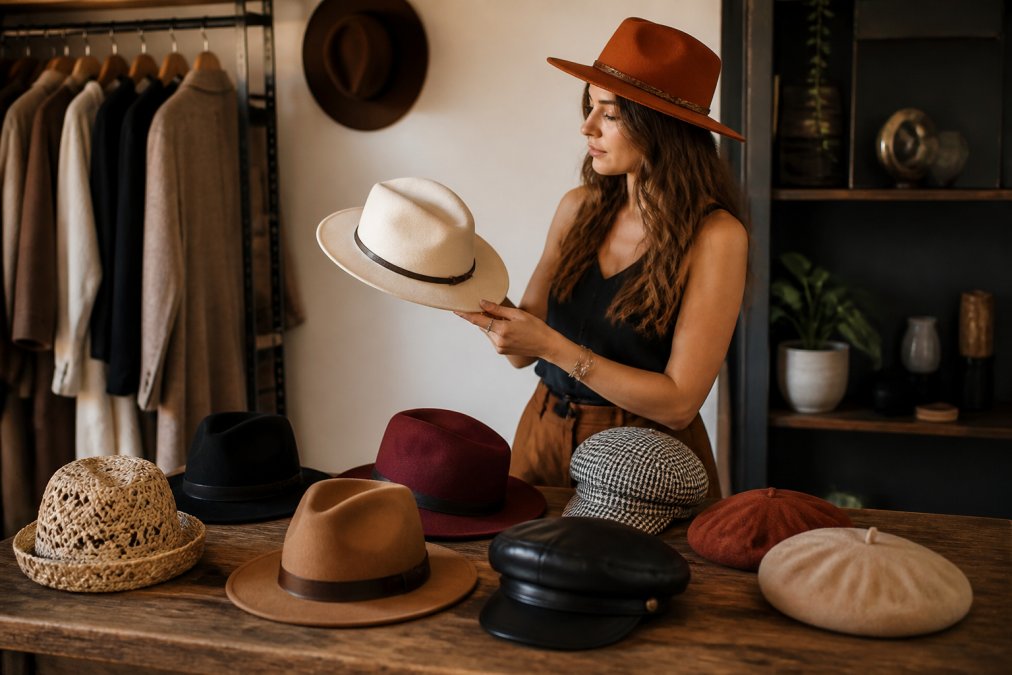
Styling unique hats with outfits works best when you treat the hat as the anchor and build everything else around it. At Moore Graphics LLC, we've watched customers agonize over the perfect wide-brim or bucket hat, then freeze when it comes time to pair it with actual clothes. The fix is simple: let the hat lead.
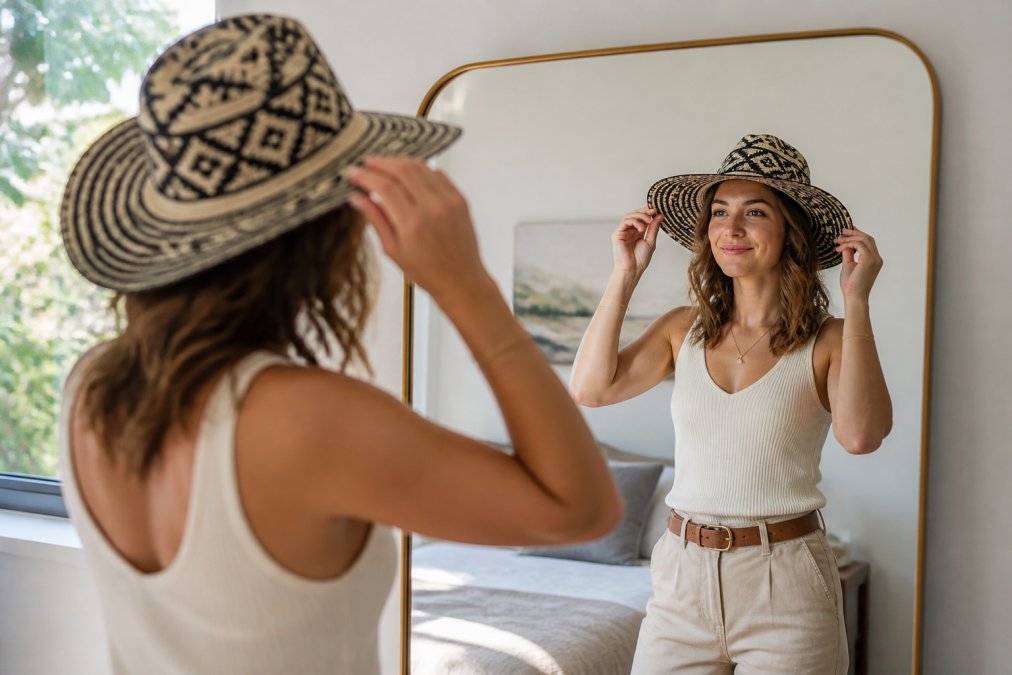
Pick one statement piece. A bold patterned wide-brim, a structured fedora, or a textured knit beanie should be the loudest thing you're wearing. If the hat is doing the talking, the rest of the outfit should listen.
Pick One Statement Piece and Let It Lead
A hat with a lot of visual personality, whether it's an oversized shape, an unusual color, or a distinctive texture, needs room to breathe. Pair it with a plain white tee, straight-leg denim, and clean sneakers. That's it. The hat becomes the outfit.
What most guides miss is that "statement" doesn't mean "expensive." A thrifted woven hat in a saturated color can carry the same visual weight as a designer piece. The rule is about contrast, not cost.
Balance Volume: Wide Brims Need simplified Silhouettes
Wide brims add horizontal width at the top of your frame. To keep proportion balanced, keep the lower half of your outfit close to the body. A fitted turtleneck, slim trousers, or a simplified slip dress all work. Skip the puffy sleeves and the parachute pants when the brim is wide.
The reverse is also true. A close-fitting beanie or a small bucket hat frees you up to wear bulkier layers on the bottom or top without looking top-heavy.
The Best Hat Styles for Different Face Shapes
The best hat styles for different face shapes come down to one principle: contrast. Hats that mirror your face's natural width tend to look flat, while hats that offset it create balance.
| Face Shape | Best Hat Styles | Avoid |
|---|---|---|
| Round | Structured fedora, angular wide-brim | Rounded beanies, bucket hats |
| Oval | Almost everything, especially berets | Nothing specific |
| Square | Soft-brimmed floppy hats, rounded crowns | Sharp angular fedoras |
| Heart | Cloches, bucket hats, mid-brim styles | Very tall crowns |
| Long | Wide-brim, short-crown styles | Tall beanies, trucker caps |
If your face reads round, an angular hat adds definition. If your face is long, a wide brim shortens the visual line. Oval faces can wear almost anything, which is why stylists call it the lucky shape.
How to Wear Hats With Different Hairstyles
How to wear hats with different hairstyles depends on whether you want your hair to frame the hat or disappear under it. Both are valid, and both change the entire mood of the outfit.
- Long hair, down: Let it fall naturally under a wide-brim or floppy hat. Tuck the front sections behind your ears so the hat shape stays visible.
- Long hair, braided: A low braid or a loose side braid under a bucket hat reads casual and intentional. High ponytails work best with beanies and caps.
- Short hair: Cropped cuts look sharp under structured fedoras and berets. Add a small hoop or stud earring to draw the eye toward the hat's brim line.
- Curly hair: Choose a hat with a slightly larger crown so curls have room. A tight fit flattens the curl pattern and looks uncomfortable (the American Academy of Dermatology).
- Bangs: Push bangs to the side under a brim, or choose a hat that sits behind the hairline so the fringe stays visible.
Hat and Outfit Color Coordination That Actually Works
Hat and outfit color coordination works on three simple strategies: match, contrast, or echo. Pick one and commit.
Match means the hat shares a color family with your outfit. A camel fedora with a tan trench and cream trousers. This is the safest approach and reads polished.
Contrast means the hat deliberately clashes in a controlled way. A red beret with an all-black outfit. A white bucket hat with a navy jumpsuit. This is where unique hats earn their keep.
Echo means the hat picks up a color from somewhere else in the outfit, like a hat that matches your shoes or your bag. This ties the look together without being obvious.
A common mistake is wearing a hat that matches nothing and contrasts with nothing. It floats. Anchor it with at least one other element in the outfit, even if it's just a belt or a pair of socks.
Outfit Formulas for Styling Unique Hats, by Season
Seasonal styling for unique hats follows a simple rule: lighter materials and palettes in warm months, heavier textures and deeper tones in cold ones. Here are formulas you can copy directly.
Spring and Summer: Straw, Cotton, and Light Layers
Straw hats, cotton bucket hats, and lightweight caps belong here. Pair a straw wide-brim with a linen button-down, tailored shorts, and leather sandals. A cotton bucket hat works with a simple tank, flowy midi skirt, and canvas sneakers.
Keep colors light. Cream, sage, sky blue, and soft terracotta all read seasonal. Avoid heavy dark felts in July, even if the hat itself is beautiful.
Fall and Winter: Felt, Knits, and Cozy Textures
Felt fedoras, wool beanies, and structured berets take over. A felt hat in charcoal or burgundy pairs well with an oversized sweater, straight-leg jeans, and ankle boots. A chunky knit beanie works with a puffer coat, leggings, and sneakers for a low-effort cold-weather look.
Common Mistakes When Styling Unique Hats
The biggest mistake is treating the hat as an afterthought. If you grab a hat on your way out the door without considering the rest of the outfit, it will look like an afterthought. Style the hat first, or at least style it alongside the outfit.
Other mistakes worth avoiding:
- Wearing a hat indoors when it doesn't suit the setting. A wide-brim at a dinner table blocks sightlines (Hats Off! Hat Etiquette 101). A beanie at a formal event reads casual.
- Ignoring proportion. A tiny hat on a very tall frame, or an oversized hat on a petite frame, both look off. Adjust the brim width to your height and shoulder width.
- Over-accessorizing. If the hat is loud, the jewelry should be quiet. Pick one focal point.
- Skipping the mirror check from multiple angles. A hat that looks great from the front can sit awkwardly from the side. Check the profile before you leave.
At Moore Graphics LLC, we hear from customers who buy a hat they love, then never wear it because they're not sure how to build around it. The answer is almost always to simplify everything else. A great hat doesn't need competition.
Finding a hat that feels like yours is the hard part. Styling it is easier once you have the right piece in hand. Moore Graphics LLC curates stylish hats alongside cozy sweatshirts, trendy tees, and gift-ready mugs and tote bags, all designed to bring personality to everyday life. Whether you're shopping for yourself or looking for a thoughtful gift, our collection blends comfort with self-expression. Get started with Moore Graphics LLC and find the piece that makes the rest of your outfit fall into place.
Frequently Asked Questions
How do you choose the right hat for your outfit?
Start with the hat you want to wear, then simplify everything else. If your unique hat has a pattern or bold color, pair it with neutral basics like a plain tee and jeans. If the hat is understated, you can layer on more texture and color elsewhere. The goal is one focal point, not five competing ones.
What are the best ways to style a hat with casual wear?
Keep casual outfits relaxed but intentional. A beanie works with an oversized sweatshirt and sneakers; a baseball cap pairs well with a cropped tee and wide-leg jeans; a bucket hat adds interest to a simple tank and shorts. Choose one casual staple, add your hat, and stop there. Too many casual pieces together can look accidental rather than styled.
How can you make a unique hat the focal point of an outfit?
Treat the hat as your statement piece and mute everything else. Wear solid, low-contrast clothing in colors that echo one shade from the hat. Skip other bold accessories like large earrings or patterned scarves. Let the hat sit at the top of a clean visual line so the eye lands there first.
Are there specific rules for matching hat colors to outfits?
There are no hard rules, but three approaches work consistently. Match the hat to a color already in your outfit for a cohesive look. Choose a complementary color for contrast. Or pick a neutral hat (black, tan, cream) that works with nearly everything. If your hat is multicolored, pull one shade from it and repeat that shade in your top or shoes.