 comparison
Life is Good vs Independent Brands: Which Fits You Best
Table of Contents
- Life is Good vs Independent Brands: Core Differences
- Brand Heritage and Market Position
- Ethical Clothing Brands: Values and Manufacturing
- Apparel Durability Guide: Fabric Quality and Longevity
- Custom Tour Shirts and Design Freedom
- Price, Value, and What You're Actually Paying For
- Which Brand Matches Your Lifestyle
- Frequently Asked Questions
Last Updated: September 3, 2026
Life is Good vs Independent Brands: Core Differences
When you're choosing between Life is Good and independent apparel brands, you're really choosing between two philosophies: mass-market optimism versus curated individuality. Life is Good built its empire on a single idea: positive messaging printed on comfortable basics. Independent brands operate differently. They prioritize artist collaboration, local production, sustainable practices, or niche aesthetics that speak to specific communities rather than everyone.
The core difference isn't just about where your shirt comes from. It's about what you're actually buying into. Life is Good sells a lifestyle brand built on consistent, optimistic messaging. Independent brands sell uniqueness, transparency, and often a direct connection to the makers behind the product. Understanding this distinction helps you pick the right fit for what you actually want to wear and support.
Moore Graphics LLC understands this tension better than most. Our curated collection sits somewhere between these worlds, we offer trendy tees and cozy sweatshirts that prioritize comfort and personality without the mass-market sameness of legacy optimism brands. We're not trying to be everything to everyone. We're trying to be exactly what you need when you want apparel that feels personal.
Brand Heritage and Market Position
Life is Good emerged in 1994 as a small screen-printing operation and grew into a lifestyle brand recognized for consistent, uplifting messaging. The brand's market position is built on accessibility, you can find Life is Good apparel in mainstream retailers, department stores, and their own shops. This distribution strategy means the brand has become synonymous with casual, optimistic American apparel culture. Consumer sentiment around Life is Good tends to be warm but sometimes dismissive. People respect the consistency, but some perceive the messaging as saccharine or dated, especially as younger consumers seek more authentic or ironic expressions of identity.
Independent brands occupy a different market position entirely. They typically operate through direct-to-consumer channels or select retail partnerships, which gives them control over their brand narrative and customer experience. Liberty Graphics, established in the 1970s, built its reputation on nature-inspired designs and water-based inks before sustainability became mainstream (peer-reviewed research). Nooworks, a newer independent brand, collaborates with rotating independent artists and manufactures everything locally in California. Lazy Oaf, a London-based streetwear brand, built a cult following through irreverent, youth-culture-driven designs that reject mainstream appeal.
The market position of independent brands often means higher price points, smaller production runs, and stronger community affinity. You're not buying what everyone else is buying. You're buying into a specific creative vision or set of values. This positioning attracts consumers who view apparel as a form of personal expression rather than a lifestyle statement.
Ethical Clothing Brands: Values and Manufacturing
If you care about how your apparel is made, this is where the comparison gets sharp. Life is Good manufactures through a combination of domestic and overseas production partners. The brand has made public commitments to ethical manufacturing, but the supply chain remains typical of mass-market apparel, complex, distributed, and difficult to fully audit.
Independent ethical clothing brands approach this differently. Nooworks manufactures everything locally in California, which means the entire production process, milling, printing, and sewing, happens in-house or with verified local partners. You can trace your purchase directly to the people who made it. Toad&Co prioritizes organic cotton, hemp, Tencel, and recycled fibers across its product line, with a documented commitment to reducing environmental impact. Liberty Graphics uses 100% water-based inks, a choice that costs more but eliminates toxic chemicals from the printing process (the EPA).
The transparency gap is real. When you buy from an independent brand with local manufacturing, you're paying for visibility into the supply chain. When you buy from Life is Good, you're buying from a company that sources from multiple manufacturers across different regions. Neither approach is inherently wrong, but they represent fundamentally different values and cost structures.
Corporate social responsibility differs too. Life is Good donates a portion of profits to nonprofits focused on childhood optimism and mental health. This is meaningful philanthropy, but it's separate from the manufacturing process. Independent brands often embed values into the production itself: fair wages, local employment, waste reduction, and artist compensation. The ethical statement is built into the product, not added on top.
Apparel Durability Guide: Fabric Quality and Longevity
Durability matters more than most people realize. A shirt that lasts two years costs half as much per wear as one that falls apart after ten washes. This is where apparel durability guide principles become practical.
Life is Good uses standard cotton blends and basic synthetic materials for most of its apparel. The fabric quality is consistent and adequate for casual wear. The print process is screen printing, which is durable when done well but can fade with repeated washing, especially if the shirt is dried hot. Many consumers report that Life is Good apparel holds up reasonably well for 2-3 years of regular wear, though the print fades noticeably.
Independent brands vary widely in durability. Liberty Graphics uses quality cotton and water-based inks that actually bond better to fabric than petroleum-based inks, the print lasts longer and fades more gracefully. Nooworks pre-washes all fabrics to eliminate shrinkage and uses higher-quality cotton blends. Toad&Co specifically designs for durability and longevity, using organic materials that improve with age rather than degrade. Lazy Oaf uses standard streetwear materials, similar to Life is Good in construction but with bolder graphics that mask fading.
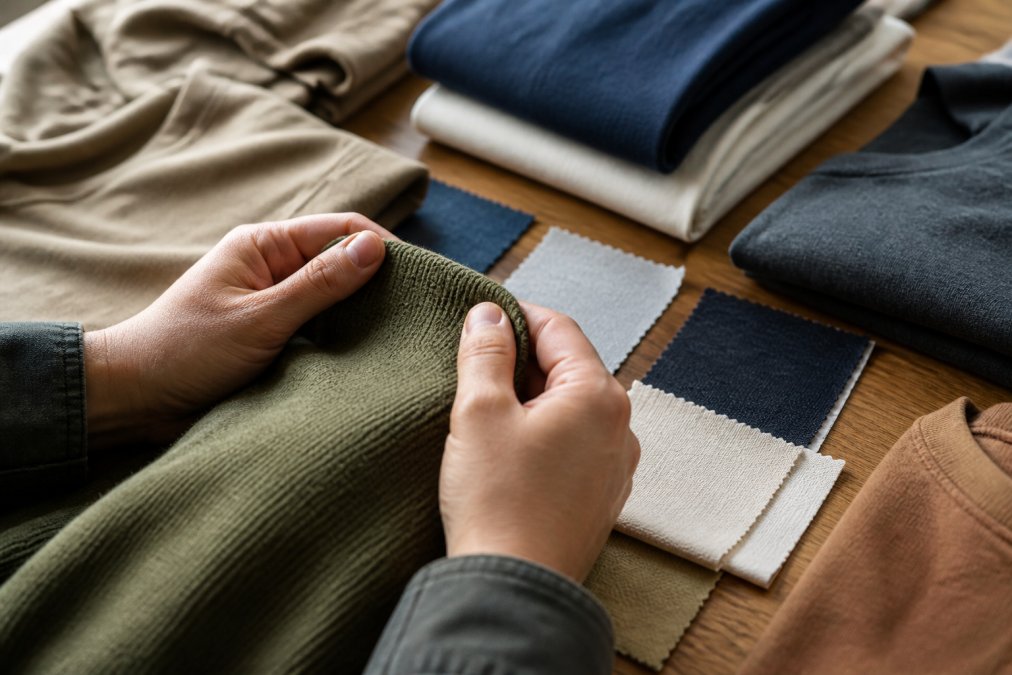
The textile longevity difference often comes down to material composition and printing technique. Water-based inks penetrate fabric fibers rather than sitting on top, which means they last longer (peer-reviewed research). Higher-quality cotton holds color better and resists pilling. Fabric weight matters too, heavier fabrics (6+ ounces) outlast lighter ones (4.5 ounces) under regular wear.
What matters most: check the fabric weight, material composition, and printing method before buying. Don't assume a higher price tag guarantees durability. Some independent brands charge premium prices for design rather than material quality. Life is Good's consistency means you know roughly what you're getting across their product line.
Custom Tour Shirts and Design Freedom
If you want apparel that's uniquely yours, custom tour shirts and design freedom become the deciding factor. Life is Good doesn't offer meaningful customization. You buy what they design. This is part of the brand's appeal, you're buying into their creative vision, not creating your own.
Independent brands and custom apparel platforms offer vastly different degrees of design freedom. Nooworks collaborates with rotating independent artists, so designs change regularly and come from diverse creative voices. You get unique designs you won't see elsewhere, but you're still choosing from what the artists create. Lazy Oaf offers limited customization through their online shop, mostly selecting from existing designs and colorways.
For true custom tour shirts and personalized apparel, independent brands like Nooworks and direct-to-consumer platforms offer more flexibility than Life is Good. Moore Graphics LLC specializes in curated apparel that balances design curation with personal expression, you get carefully selected pieces that feel unique without requiring you to design from scratch.
The design freedom question comes down to what you actually want. If you love the Life is Good aesthetic and want consistency, their limited-design approach works perfectly. If you want something that reflects your specific taste or story, independent brands with artist collaborations or customization options serve you better.
Price, Value, and What You're Actually Paying For
Here's where the comparison gets honest. Life is Good apparel typically costs between the mass-market basics (like Target or Walmart) and premium independent brands. You're paying for the brand name, the consistent design aesthetic, and the distribution network that makes it easy to buy.
Independent brands cost more, but the breakdown is different. Nooworks starts at around $48 for a basic top because every piece is made domestically, designed by a paid artist, and produced in smaller batches. Liberty Graphics starts around $25 because they've been perfecting their process for decades and operate efficiently. Toad&Co starts around $36 because organic materials cost more than conventional cotton. Lazy Oaf pricing varies widely depending on whether items are on sale, but full-price items cost significantly more than Life is Good.
What are you actually paying for?
| Factor | Life is Good | Independent Brands |
|---|---|---|
| Brand Consistency | High | Varies by designer |
| Manufacturing Transparency | Moderate | High |
| Material Quality | Standard | Often premium |
| Design Uniqueness | Low (mass-produced) | High (artist-driven) |
| Customization | None | Often available |
| Local Production | Partial | Varies (Nooworks: 100%) |
| Price Point | Mid-range | Mid to premium |
The price difference isn't arbitrary. Independent brands with higher prices usually invest more in material quality, artist compensation, and transparent manufacturing. Life is Good's pricing reflects efficient mass production and strong brand recognition. Neither is wrong, they serve different values.
If you care primarily about comfort and consistent aesthetic at a reasonable price, Life is Good delivers value. If you prioritize durability, transparency, unique design, or supporting independent artists, independent brands justify their premium pricing.
Which Brand Matches Your Lifestyle
Choosing between Life is Good and independent brands ultimately comes down to how you see apparel functioning in your life. Are you looking for comfort and a consistent lifestyle message? Life is Good delivers that reliably. Are you looking for apparel that expresses something specific about who you are or what you value? Independent brands offer that flexibility.
Consider your actual wearing patterns. If you wear the same basic tees repeatedly and want them to last, investing in higher-quality independent brands makes sense. If you like variety and don't mind replacing basics every couple of years, Life is Good's lower price point works fine. If you want apparel that starts conversations or reflects a specific community or aesthetic, independent brands win.
Your gift-giving needs matter too. Life is Good apparel works as a safe, universally appealing gift. Independent brands work better when you know the recipient's specific taste or values. Moore Graphics LLC curates pieces that bridge this gap, they're thoughtful enough to feel personal but accessible enough that they work across different style preferences.
The sustainability question is worth asking yourself directly. If you want apparel made locally with transparent supply chains and sustainable materials, independent brands are the only real choice. Life is Good's corporate philanthropy is meaningful, but it doesn't change the manufacturing model. If sustainability matters to you, that's the deciding factor.
Choosing between Life is Good and independent brands isn't about one being objectively better. It's about matching your values, lifestyle, and what you want apparel to do for you. Life is Good excels at accessible, consistent, optimism-focused basics. Independent brands offer transparency, uniqueness, and often superior durability and ethical practices. At Moore Graphics LLC, we've built our collection to honor both approaches, offering curated apparel that feels personal without requiring you to start from scratch, with the quality and thoughtfulness that independent brands are known for. Explore pieces designed to help you wear your story, whether that's through a classic basic or something more distinctive.
Frequently Asked Questions
What makes independent brands different from established apparel companies like Life is Good?
Independent brands typically emphasize artist collaboration, local manufacturing, and smaller production runs. Many control their entire supply chain and can guarantee material sourcing and labor practices. Life is Good operates as a mass-market lifestyle brand with broader retail distribution. Independent brands often offer unique designs you won't find elsewhere, while Life is Good prioritizes consistent, optimistic messaging across a standardized product line. The choice depends on whether you value design uniqueness and transparency or brand consistency and availability.
Are ethical clothing brands actually more sustainable than mass-market apparel?
Ethical clothing brands typically have more transparent supply chains and often use organic or recycled materials. Many produce smaller batches, reducing waste. However, sustainability varies widely, some independent brands still manufacture overseas, while others operate locally. Life is Good has made corporate giving commitments but doesn't emphasize material sustainability as a core focus. When evaluating any brand, look beyond marketing claims: check for certifications, material composition, manufacturing location, and labor practices rather than assuming size determines ethics.
How do I know if apparel will actually last, and what should I look for when comparing durability?
Examine fabric weight (measured in GSM or ounces per square yard), seam construction, and print method. Water-based inks and screen printing typically last longer than direct-to-garment printing. Check return policies and customer reviews mentioning shrinkage or fading after multiple washes. Independent brands often provide detailed material information; Life is Good focuses on lifestyle messaging rather than technical specifications. Pre-washing information matters too, some brands guarantee no shrinkage, while others don't address it. Request fabric samples or read verified customer feedback about longevity before committing to a purchase.
Should I choose custom tour shirts from an independent brand or go with a established brand?
Custom tour shirts from independent brands offer personalization and often support artists directly. Brands like Nooworks collaborate with independent designers and manufacture locally in California, giving you visibility into production. Life is Good offers limited customization compared to independent platforms. For tour merchandise or group orders, consider production minimums, turnaround time, print quality guarantees, and whether you want unique designs or consistent branding. Independent brands typically provide more design flexibility and transparency about the production process.