 comparison
Sustainable Apparel vs Fast Fashion: What Actually Matters
Table of Contents
- Sustainable Apparel vs Fast Fashion: The Core Differences
- Environmental Impact: Carbon Emissions, Water Use, and Textile Waste
- How to Identify Greenwashing in Fashion
- Quality, Durability, and Cost Per Wear Calculation
- Benefits of a Capsule Wardrobe for Conscious Consumers
- Sustainable Apparel Brands Worth Considering
- Making the Transition: Practical Steps Without Breaking the Bank
- Frequently Asked Questions
Last Updated: September 2, 2026
Sustainable Apparel vs Fast Fashion: The Core Differences
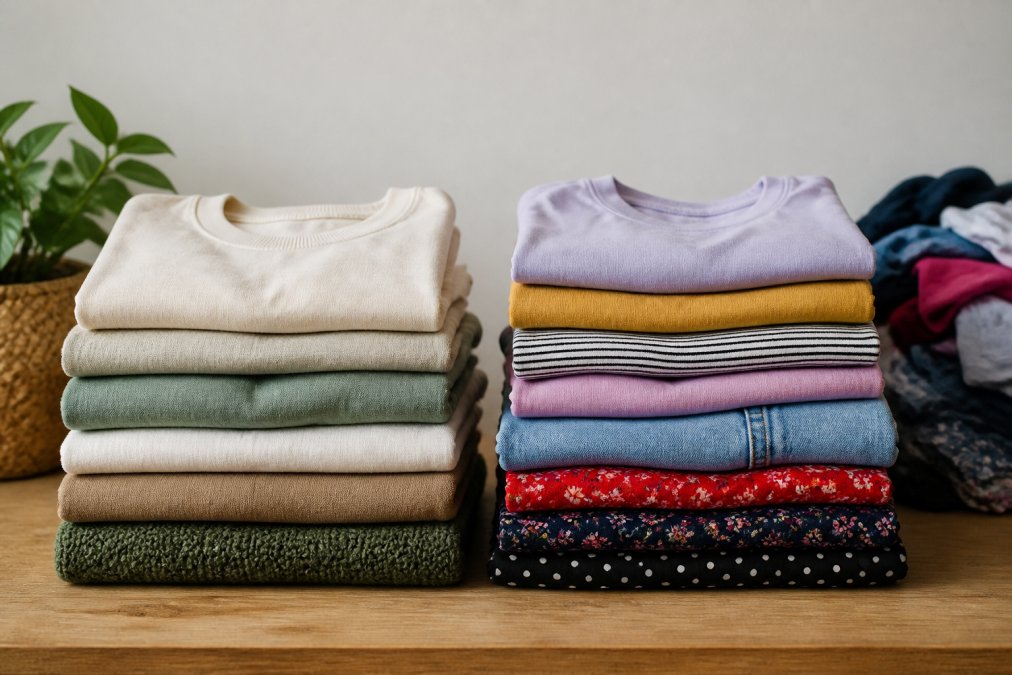
Sustainable apparel prioritizes durability, ethical production, and environmental responsibility, while fast fashion prioritizes speed, trend cycles, and affordability. One model is designed to last years; the other, seasons.
Sustainable apparel is engineered to withstand repeated wear and washing. Fast fashion is trend-driven clothing manufactured quickly and cheaply, often with planned obsolescence built in. The difference comes down to three factors: production standards, material quality, and business model transparency. Sustainable brands reveal their supply chains; fast fashion keeps them hidden. Sustainable brands use durable materials; fast fashion uses whatever's cheapest. Sustainable brands build for years; fast fashion builds for seasons.
Moore Graphics LLC understands that conscious consumers want apparel with personality and longevity. The real question isn't which is objectively "better," it's which aligns with your values, budget, and lifestyle.
Environmental Impact: Carbon Emissions, Water Use, and Textile Waste
The textile industry ranks among the world's largest polluters. Fast fashion produces roughly 92 million tons of textile waste annually, much of it ending up in landfills within months of purchase (the EPA).
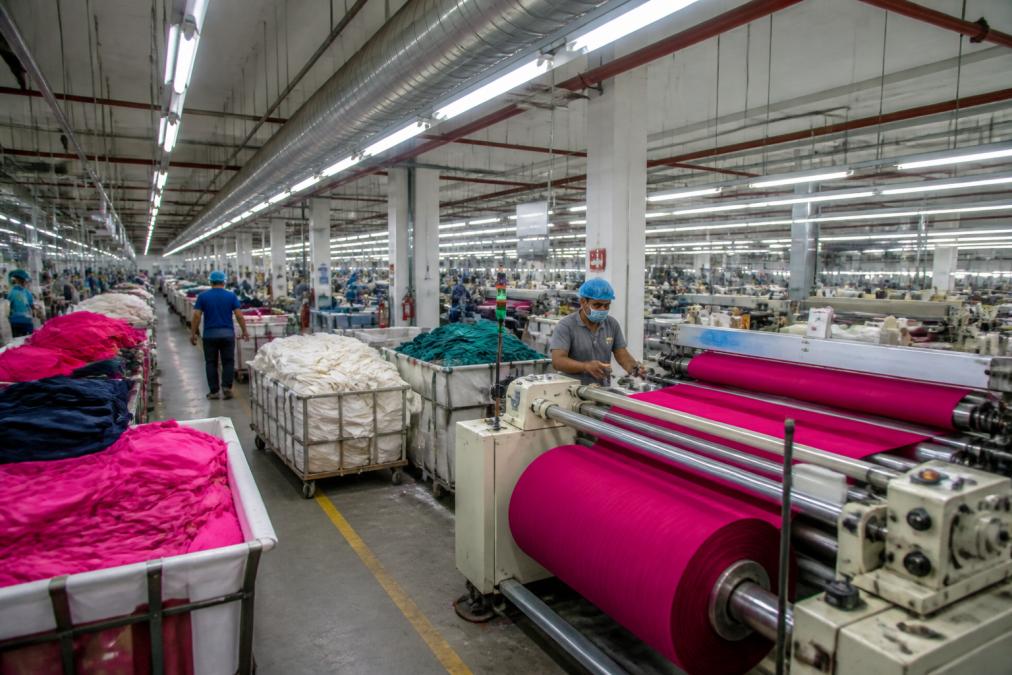
Producing a single cotton t-shirt requires approximately 700 gallons of water (usda.gov). When a garment is worn a handful of times before being discarded, that water footprint becomes indefensible. Sustainable apparel addresses this through longevity; if a piece lasts five years instead of five months, the per-wear environmental cost drops dramatically.
Fast fashion relies on rapid shipping, often via air freight, to get seasonal collections to stores quickly. Sustainable brands typically ship less frequently and in larger batches, reducing per-unit emissions. Many sustainable brands actively measure and report their carbon footprint, while fast fashion operators rarely disclose these metrics.
Most fast fashion relies on polyester and other petroleum-based synthetics because they're cheap to manufacture at scale. These materials shed microplastics during washing, which accumulate in waterways and enter the food chain. Natural fibers used by sustainable brands, organic cotton, linen, hemp, biodegrade naturally, though they require more water to produce.
Circular economy principles distinguish leading sustainable brands. Patagonia's Worn Wear program repairs and resells used gear, extending product life and keeping items out of landfills. ThredUp operates as a secondhand marketplace, giving clothing multiple lives. These models directly counter fast fashion's linear take-make-waste approach.
How to Identify Greenwashing in Fashion
Greenwashing, making false or exaggerated sustainability claims, is rampant in fashion. A brand might use one organic material in a single product line while manufacturing everything else conventionally, then market itself as "sustainable."
Real sustainable apparel brands provide specific, verifiable information. Look for: detailed supply chain transparency showing exactly where materials come from and where production happens; third-party certifications like Fair Trade, GOTS (Global Organic Textile Standard), or B Corp status; specific environmental impact metrics (carbon per garment, water usage, waste diversion rates); and repair or take-back programs that extend product life.
Everlane pioneered radical transparency by showing the exact cost breakdown of each product, materials, labor, transport, markup, so buyers understand where their money goes. If a brand won't show you this information, that's a red flag.
Language matters. Phrases like "made with sustainable materials" or "partially recycled" indicate incomplete practices. Phrases like "100% organic cotton" or "all products are Fair Trade certified" indicate comprehensive commitment. Vague terms like "eco-conscious" or "green" mean almost nothing without supporting evidence.
Reformation transparently tracks the environmental impact of each product, water saved, carbon avoided, waste diverted, and displays these metrics on product pages. Check for certifications from organizations that actually audit compliance, not self-awarded badges. Fair Trade USA, GOTS, and B Corp have rigorous standards.
Quality, Durability, and Cost Per Wear Calculation
A $120 sustainable apparel piece worn 200 times costs 60 cents per wear (peer-reviewed research). A $20 fast fashion piece worn 10 times costs $2 per wear. The expensive item is actually cheaper over time.
Cost per wear is the metric that reframes the entire conversation. Calculate it by dividing purchase price by the number of times you wear the item before it degrades. Most people underestimate how many times they'll wear quality pieces and overestimate how many times they'll wear trend-driven items.
Sustainable brands engineer durability into every decision. Patagonia uses reinforced seams, high-quality zippers, and durable fabrics specifically chosen to withstand years of use. They offer an Ironclad Guarantee allowing repairs or replacements. Fast fashion uses cost-minimizing construction: thin seams, cheap zippers, and materials chosen for price, not longevity. A $15 fast fashion shirt develops visible wear after 5-10 washes. A $60 sustainable piece looks new after 50 washes.
Organic cotton holds color and shape better than conventional cotton. High-quality polyester resists pilling and fading. Linen softens with age rather than degrading. Fast fashion uses the cheapest available materials, so visible wear happens fast.
Everlane's focus on timeless design supports durability. A basic, well-made white t-shirt stays relevant for years. Trendy graphic prints become dated within months. Sustainable brands invest in classic silhouettes that transcend seasonal fashion cycles.
Benefits of a Capsule Wardrobe for Conscious Consumers
A capsule wardrobe, a curated collection of versatile, high-quality pieces that work together, is the practical answer to sustainable apparel decision-making. Instead of owning 100 mediocre items, you own 30-40 exceptional pieces that combine infinitely.
Benefits compound quickly: you spend less money overall because pieces last longer; you waste less time deciding what to wear because everything coordinates; you reduce environmental impact through lower consumption; and you're forced to buy consciously because you're being selective.
Building a capsule wardrobe means choosing neutral base colors (black, white, gray, navy, beige), quality basics (t-shirts, jeans, sweaters), and a few statement pieces. Every item should work with at least three other items in your closet.
Moore Graphics LLC's approach to curated lifestyle goods aligns with capsule wardrobe philosophy, selecting pieces intentionally rather than accumulating indiscriminately. A well-chosen sweatshirt becomes a staple, not a disposable trend item.
The cost per wear calculation becomes even more favorable in a capsule wardrobe. A $100 piece worn 300 times costs 33 cents per wear. You don't need 50 summer shirts; you need 5-7 that you actually wear.
Sustainable Apparel Brands Worth Considering
Patagonia leads the sustainable apparel category because it makes no compromises on durability or environmental impact. The company uses recycled materials and organic cotton throughout its product line, offers comprehensive repair services through Worn Wear, and actively supports environmental organizations. Patagonia's Ironclad Guarantee removes the risk from buying expensive apparel. Pieces last 5-10 years, making the cost per wear calculation favorable despite higher prices.
Everlane occupies the middle ground between fast fashion and luxury sustainable brands. The company's radical transparency builds trust. Everlane partners with ethical factories and focuses on timeless designs. Pricing is moderate compared to Patagonia but higher than fast fashion. Limited inventory reduces overproduction waste.
Reformation combines fashion-forward design with genuine sustainability commitments. The brand uses deadstock fabrics, Tencel, and recycled materials, and transparently reports the environmental impact of each product. Reformation is Climate Neutral certified. Pieces cost more than Everlane but less than Patagonia.
ThredUp represents the circular economy approach. The platform operates as an online consignment store for secondhand clothing. Buying secondhand is the most sustainable choice because it extends product life and reduces demand for new production. Selection is vast, and prices are significantly lower than retail.
Each brand makes different trade-offs. Patagonia prioritizes durability and environmental impact over affordability. Everlane prioritizes transparency and accessibility. Reformation prioritizes design and environmental reporting. ThredUp prioritizes circular economy and price. All are better than fast fashion alternatives.
Making the Transition: Practical Steps Without Breaking the Bank
Most people can't afford to replace their entire wardrobe with sustainable apparel overnight. The transition works better gradually and strategically.
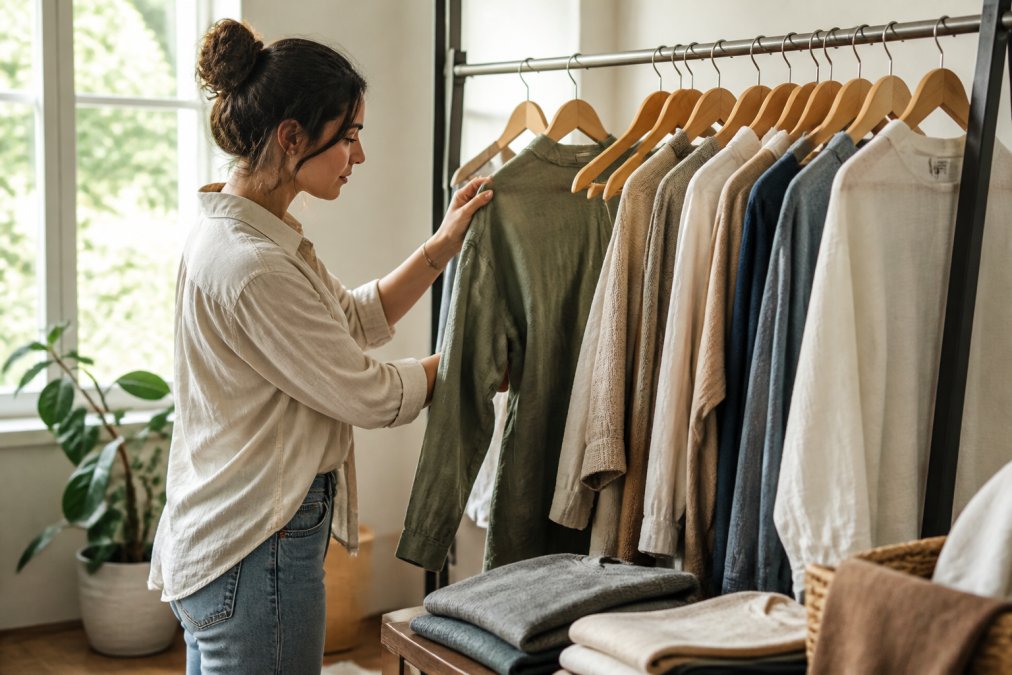
Start by auditing what you already own. Wear everything for one month and track what you actually reach for. This reveals your real style preferences and which pieces sit untouched.
Second, identify gaps in your current wardrobe. If you wear jeans five times a week, invest in quality sustainable jeans. If you live in a cold climate and wear sweaters constantly, prioritize sustainable knitwear. This targeted approach maximizes value.
Third, phase out fast fashion strategically. When a fast fashion item wears out, replace it with a sustainable alternative rather than buying another cheap version. This spreads the cost over time.
Fourth, explore secondhand options through ThredUp or similar platforms. Buying used sustainable apparel is even more sustainable than buying new, and prices are typically 40-60% below retail.
Fifth, focus on cost per wear rather than price per item. A $100 piece worn 200 times is cheaper than a $20 piece worn 10 times.
Sixth, embrace seasonal capsule wardrobes rather than year-round bulk. Build a 20-piece summer capsule and a 25-piece winter capsule that rotate seasonally.
Seventh, buy versatile basics in neutral colors. A black sweater works with jeans, skirts, trousers, and dresses. Basics provide more value and wear frequency.
Eighth, consider quality over brand. Research specific pieces, read reviews about durability, and check for detailed construction information before buying.
Ninth, take care of what you own. Proper washing, storage, and minor repairs extend garment life dramatically. A $60 sweater that lasts five years because you maintained it properly beats a $20 sweater that wears out in one year.
Tenth, don't aim for perfection. Transitioning gradually while making conscious choices about future purchases is realistic and sustainable.
Choosing between sustainable apparel and fast fashion comes down to your values and priorities. If you care about environmental impact, labor practices, and long-term value, sustainable apparel wins decisively. Most people benefit from a mixed approach: investing in key sustainable pieces while being realistic about budget constraints.
Moore Graphics LLC's curated collection of apparel and lifestyle goods reflects the sustainable apparel philosophy, selecting pieces intentionally for quality, longevity, and personal expression. Whether you're building a capsule wardrobe or seeking thoughtful gifts, choosing quality pieces designed to last transforms how you think about clothing. Start with one sustainable purchase, calculate the cost per wear, and let the math convince you.
Frequently Asked Questions
What is the main difference between sustainable apparel brands and fast fashion?
Sustainable apparel prioritizes durability, ethical labor practices, and eco-friendly materials, while fast fashion prioritizes rapid production and low costs. Sustainable brands use organic cotton, recycled polyester, and responsible supply chains. Fast fashion relies on synthetic fibers, mass production, and planned obsolescence, designs meant to wear out quickly so you buy more. The result: sustainable apparel lasts years; fast fashion often deteriorates within months.
How do I calculate cost per wear for clothing purchases?
Divide the item's price by the number of times you'll wear it. A $100 jacket worn 100 times costs $1 per wear; a $20 fast-fashion shirt worn 5 times costs $4 per wear. Sustainable apparel often has a lower cost per wear despite higher upfront prices because durability extends the garment's lifespan. This calculation reveals why investing in quality pieces saves money long-term.
How can I identify greenwashing in fashion brands?
Watch for vague claims like 'eco-friendly' without specifics, single sustainability initiatives presented as comprehensive efforts, and lack of third-party certification. Genuine sustainable brands provide supply chain transparency, share factory locations, disclose environmental impact metrics, and pursue certifications like Fair Trade or B Corp. Brands hiding production details, avoiding cost-per-garment breakdowns, or using green imagery without substance are likely greenwashing.
Is it more expensive to shop only sustainable apparel brands?
Initial costs are higher, but long-term spending may be lower. A $150 sustainable jacket worn for 5 years costs less per wear than buying five $30 fast-fashion jackets over the same period. Building a capsule wardrobe with fewer, quality pieces reduces overall spending. Secondhand platforms like ThredUp offer sustainable options at discounted prices, making ethical fashion accessible without premium pricing.
What environmental problems does fast fashion create?
Fast fashion drives massive textile waste, Americans discard 81 pounds of textiles per person annually, most ending up in landfills. Production consumes enormous water quantities (2,700 liters per cotton shirt), generates carbon emissions from mass manufacturing and shipping, and pollutes waterways with synthetic dyes and microplastics. Overconsumption fuels resource depletion, while planned obsolescence ensures garments fail quickly, perpetuating the cycle.